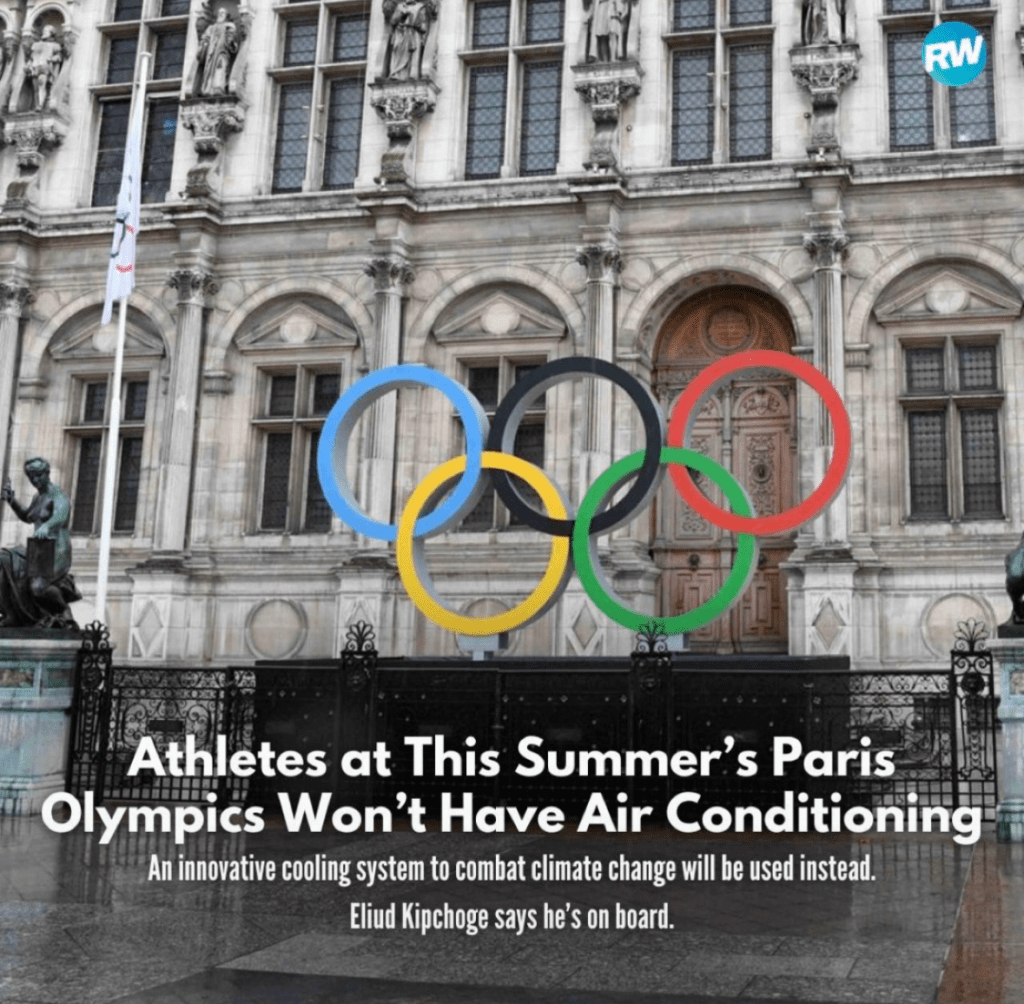
As the excitement builds for the upcoming Paris Olympics, an unexpected controversy may emerge regarding the treatment of athletes participating in the games. Reports have surfaced alleging that the Paris Olympics Committee is denying athletes the luxury of air conditioning, potentially putting their health and performance at risk.
Athletes competing at the highest level of their respective sports dedicate countless hours to training and preparation, striving for peak performance on the world stage. However, recent revelations suggest that these athletes may face adverse conditions due to the lack of proper cooling facilities in their accommodations.
The decision to forgo air conditioning raises concerns about the well-being of athletes, particularly in the sweltering heat of Paris during the summer months. High temperatures combined with intense physical exertion can lead to dehydration, heat exhaustion, and even heatstroke, posing serious risks to athletes’ health and safety.
Moreover, adequate rest and recovery are essential components of an athlete’s training regimen, with sleep playing a crucial role in optimising performance. In the French weather, where temperatures can soar and humidity levels can be high, ensuring a comfortable sleeping environment becomes paramount. Studies have shown that sleep deprivation and poor sleep quality can impair cognitive function, reaction time, and overall athletic performance. Athletes require sufficient rest to allow their bodies to recover from the rigours of training and competition, and denying them a conducive sleeping environment jeopardises their ability to perform at their best. Research suggests that optimal sleeping conditions for athletes typically involve a room temperature between 60 to 67 degrees Fahrenheit (15 to 19 degrees Celsius) and a relative humidity level below 60%. These conditions promote restful sleep, allowing athletes to fully recharge and prepare for their next athletic endeavours.
Furthermore, the absence of adequate cooling measures contradicts the standards of hospitality and care that athletes expect when participating in such prestigious events. While athletes undoubtedly anticipate facing challenges and pushing their limits during competition, they should not be subjected to unnecessary discomfort and health hazards due to insufficient amenities.
The controversy surrounding the lack of air conditioning has been gaining online backlash worldwide. Many have voiced their concerns over the potential impact on athletes’ performance and well-being, calling on the 2024 Paris Olympics Committee to address the issue promptly.
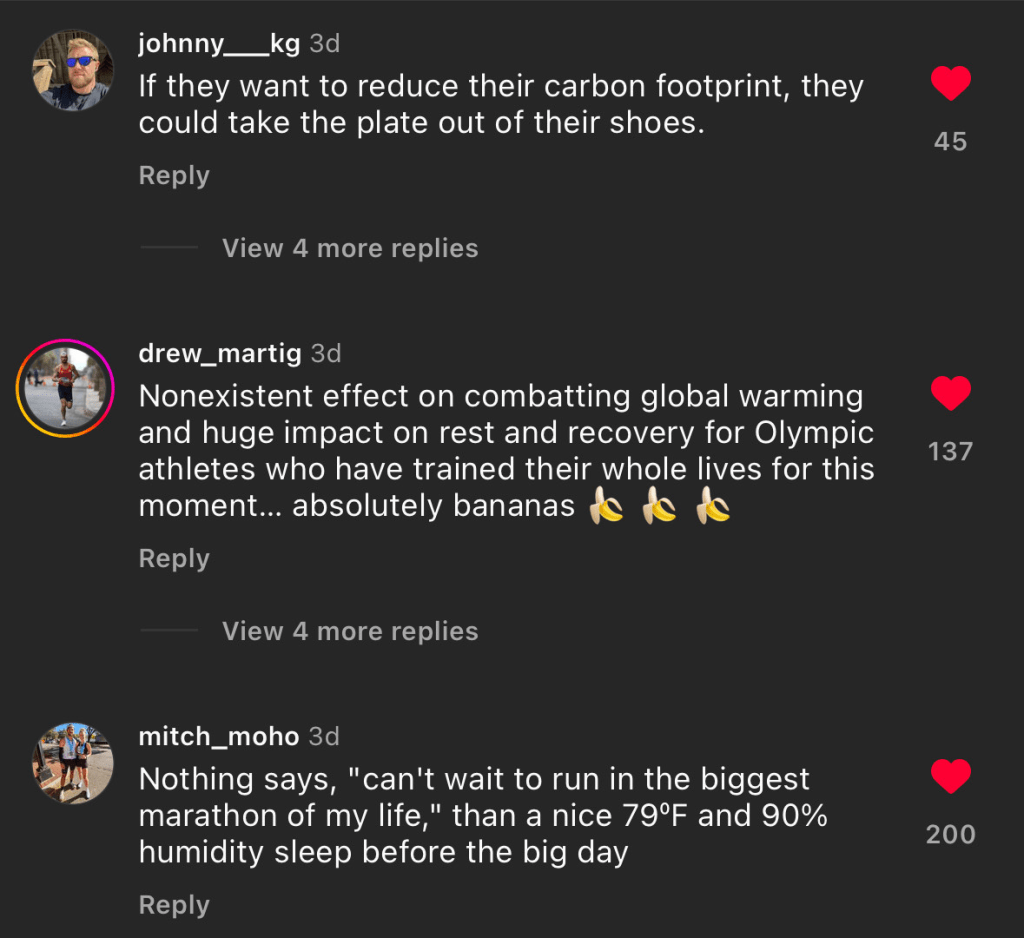
In response to the criticism, the Paris Olympic Committee has yet to put out anything concrete. However, the absence of concrete plans or assurances has left many sceptical about the committee’s commitment to prioritizing the athletes’ welfare.
As the countdown to the Paris Olympics continues, the pressure mounts on the organizing committee to rectify the situation and ensure that athletes are provided with the necessary resources to compete safely and comfortably. The eyes of the world will be on Paris as athletes from across the globe converge to showcase their talents and represent their countries. It is imperative that their health and well-being are safeguarded throughout the duration of the games.
In conclusion, the controversy surrounding the denial of air conditioning to athletes competing in the Paris Olympics underscores the importance of prioritising athlete welfare and safety. The Paris Olympics Committee must take swift action to address this issue and ensure that athletes are adequately supported as they strive for excellence on the world stage.
Was something similar to this tried at any of the previous Olympics or Global sporting events? Watch this space next week as we try to dig deep and get you all you need to know about Climate activism at the global sporting stages.
What do you think? Does this make athletes’ performance better or worse?
Do let us know!
 The Fourth Wall
Leave a comment